Introduction
Caustic soda, also known as sodium hydroxide (NaOH), plays a vital role in modern water treatment systems. From municipal drinking water facilities to industrial wastewater plants, caustic soda is widely used for pH adjustment, heavy metal removal, and process optimization.
In this article, we explore how caustic soda works in water treatment, its key applications, advantages, and important safety considerations.
What Is Caustic Soda?
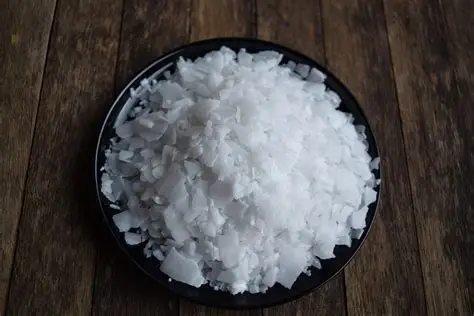
Caustic soda (NaOH) is a highly alkaline, water-soluble chemical compound commonly used in various industries, including:
-
Water and wastewater treatment
-
Chemical manufacturing
-
Pulp and paper production
-
Textile processing
-
Oil and gas refining
Due to its strong alkaline properties, caustic soda is especially effective for neutralizing acids and controlling pH levels in water systems.
Why Is pH Control Important in Water Treatment?
Maintaining proper pH levels is essential for:
-
Preventing pipe corrosion
-
Enhancing coagulation and flocculation processes
-
Improving disinfection efficiency
-
Protecting distribution systems
-
Meeting regulatory standards
Most drinking water systems operate within a pH range of 6.5 to 8.5. When water becomes too acidic, caustic soda is added to increase alkalinity and stabilize the system.
Main Applications of Caustic Soda in Water Treatment
1. pH Adjustment
The primary use of sodium hydroxide in water treatment is raising pH levels. Acidic water can corrode pipes, release heavy metals, and damage infrastructure. Caustic soda quickly neutralizes acidity and stabilizes water chemistry.
2. Heavy Metal Removal
Caustic soda helps precipitate dissolved metals such as:
-
Lead
-
Zinc
-
Chromium
-
Copper
At higher pH levels, these metals form insoluble hydroxides that can be removed through sedimentation or filtration.
3. Coagulation and Flocculation Support
In water clarification processes, chemicals like alum or ferric chloride are used for coagulation. Proper pH is crucial for these chemicals to work effectively. Sodium hydroxide ensures optimal conditions for forming larger flocs that are easier to remove.
4. Wastewater Neutralization
Industrial wastewater often contains acidic effluents. Caustic soda is used to neutralize wastewater before discharge, ensuring compliance with environmental regulations.
5. Improving Disinfection Efficiency
Chlorination efficiency depends on pH balance. Proper pH control using sodium hydroxide helps optimize microbial inactivation while minimizing harmful by-products.
Benefits of Using Caustic Soda in Water Treatment
-
Fast and effective pH correction
-
High solubility and easy dosing
-
Strong neutralizing capability
-
Cost-effective for large-scale operations
-
Compatible with automated dosing systems
Because of its reliability and efficiency, caustic soda is one of the most widely used alkalinity control agents worldwide.
Safety Considerations
Although caustic soda is highly effective, it is also a corrosive chemical. Proper handling and storage are critical:
-
Use protective equipment (gloves, goggles, face shields)
-
Store in corrosion-resistant containers
-
Use controlled dosing systems
-
Avoid direct skin or eye contact
-
Always dilute properly before use
Water treatment facilities follow strict safety protocols to ensure safe and controlled application.
Caustic Soda vs. Soda Ash in Water Treatment
Both caustic soda (NaOH) and soda ash (Na₂CO₃) are used to increase alkalinity. However:
| Feature | Caustic Soda | Soda Ash |
|---|---|---|
| Strength | Strong base | Moderate base |
| Speed | Rapid pH increase | Slower |
| Solubility | Very high | Moderate |
| Cost | Slightly higher | Often lower |
The choice depends on system requirements, water chemistry, and operational goals.
Conclusion
Caustic soda is a critical chemical in modern water treatment operations. Its ability to adjust pH, remove heavy metals, support coagulation, and neutralize wastewater makes it indispensable in municipal and industrial facilities.
When handled properly and applied under controlled conditions, sodium hydroxide ensures safe, stable, and regulation-compliant water treatment processes.