Introduction
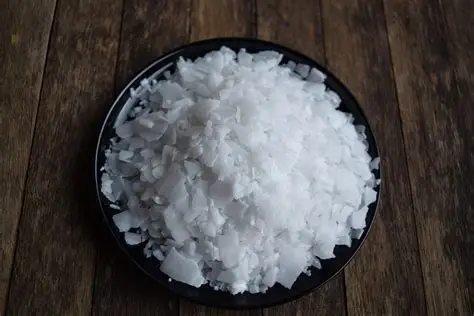
Caustic soda, also called sodium hydroxide (NaOH), is a highly demanded industrial chemical used worldwide. From large manufacturing plants to daily household cleaning products, caustic soda plays a critical role in multiple industries. Its strong alkaline nature makes it effective for cleaning, neutralizing acids, and chemical processing.
This guide explains where caustic soda is used, its major applications, and why it is essential for industrial growth.
What Is Caustic Soda Used For?
Caustic soda is used mainly for manufacturing, processing, cleaning, and pH control across industries. Below are its most important applications.
Main Uses of Caustic Soda in Industries
1. Caustic Soda in Soap and Detergent Manufacturing
Caustic soda is widely used to manufacture:
-
Bath soaps
-
Laundry detergents
-
Dishwashing liquids
-
Industrial cleaners
It reacts with fats and oils to produce soap, making it a core ingredient in the cleaning industry.
2. Caustic Soda Uses in Paper and Pulp Industry
In paper production, caustic soda helps:
-
Break down wood fibers
-
Remove lignin from pulp
-
Improve paper quality and durability
This makes sodium hydroxide essential for newspapers, packaging paper, and notebooks.
3. Textile Industry Uses of Caustic Soda
Caustic soda is used for:
-
Mercerization of cotton fabric
-
Increasing fabric strength and smoothness
-
Improving dye absorption
This process enhances the appearance and lifespan of textile products.
4. Water Treatment Uses of Caustic Soda
Water treatment plants use caustic soda to:
-
Adjust and stabilize pH levels
-
Neutralize acidic water
-
Remove toxic metals
It is widely used in municipal water systems and industrial wastewater treatment.
5. Caustic Soda in Petroleum Refining
In oil refineries, caustic soda is used to:
-
Remove sulfur and acidic compounds
-
Purify petroleum products
-
Protect pipelines and machinery
6. Food Industry Applications of Caustic Soda
Under controlled conditions, caustic soda is used in:
-
Peeling fruits and vegetables
-
Processing cocoa and chocolate
-
Cleaning food-grade equipment
Strict regulations ensure food safety.
7. Chemical Industry Uses of Sodium Hydroxide
Caustic soda is a basic raw material for producing:
-
Bleaching agents
-
Dyes and pigments
-
Plastics and resins
-
Pharmaceuticals
8. Aluminum Industry Uses
Caustic soda is used in the Bayer process to extract alumina from bauxite, which is later converted into aluminum metal.
9. Cleaning and Maintenance Applications
Due to its strong degreasing properties, caustic soda is commonly used in:
-
Drain cleaners
-
Oven cleaners
-
Industrial degreasers
Why Is Caustic Soda Important?
-
Essential for industrial production
-
Cost-effective chemical solution
-
Improves product quality
-
Widely available and versatile
Safety Precautions When Using Caustic Soda
Caustic soda is corrosive and must be handled carefully:
-
Use gloves, goggles, and protective clothing
-
Store in dry, sealed containers
-
Avoid skin and eye contact
Frequently Asked Questions
Where is caustic soda commonly used?
Caustic soda is commonly used in soap manufacturing, paper production, textiles, water treatment, oil refining, food processing, aluminum extraction, and chemical manufacturing.
Is caustic soda used in daily life?
Yes, caustic soda is found in household cleaners, soaps, detergents, and drain cleaning products.
Why is caustic soda important in industry?
Caustic soda is important because it helps clean, neutralize acids, process raw materials, and manufacture essential products.
Conclusion
Caustic soda is used across almost every major industry, including soap and detergent manufacturing, paper and pulp, textiles, water treatment, petroleum refining, food processing, chemical production, aluminum extraction, and industrial cleaning. Its wide applications make sodium hydroxide one of the most valuable industrial chemicals in the world.